Review: LGBT Pride Month SVG Sublimation Bundle for Crafters
As a designer who spends more time at the hoop than away from it, I approach new design assets with a mix of excitement and skepticism. When I first opened the LGBT Pride Month SVG Sublimation Bundle, my immediate thought wasn't just about the vibrant colors on the screen, but how these graphics would translate into a tangible handmade product. While this bundle is categorized under Crafts and Graphics, its potential extends far beyond digital mockups. For those of us in the embroidery community, the question is always: can this visual style survive the transition from a flat sublimation print to a textured, stitched reality?
First Impressions and Visual Personality
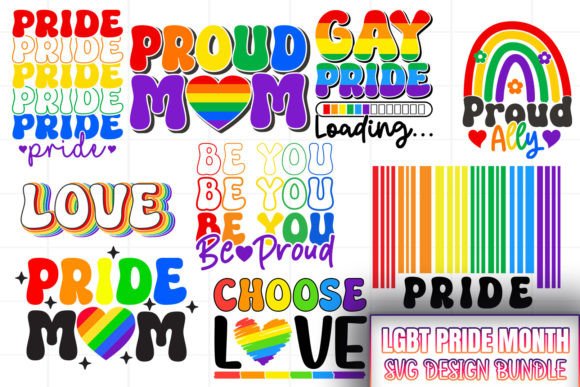
The mood of this bundle is undeniably celebratory. The layouts feel modern and inclusive, avoiding some of the clichéd tropes we often see in seasonal holiday embroidery packs. The shapes are bold, which is a good sign for stitchability. In the world of machine embroidery design, intricate details often get lost, especially when working with smaller hoop sizes or textured fabrics. The graphics here possess a strong visual personality that suggests they would hold up well if adapted into an applique design or used as a underlay for dense satin work.
However, since these are primarily SVG files intended for sublimation and cutting machines like Cricut and Silhouette, using them for embroidery requires a strategic eye. You aren't just dragging and dropping an embroidery file; you are interpreting a graphic. The clean lines and distinct color blocks in the LGBT Pride Month SVG Sublimation Bundle make them excellent candidates for conversion into digitized formats. If you are a digitizer, these source files provide a solid foundation for creating custom satin stitch borders or fill stitch backgrounds that maintain the integrity of the original art.
Real-World Application: The Custom Tote Bag Scenario
To truly test the viability of these designs, I imagined a specific client project: a custom order for a local boutique needing branded tote bag design options for Pride month. The client wanted something durable, washable, and visually striking. While sublimation works on polyester, many eco-conscious customers prefer cotton canvas. This is where the embroidery angle becomes crucial.
If I were to use elements from this bundle to create an embroidered patch to sew onto a tote, the bold geometry would shine. The lack of overly fine lettering in the main motifs reduces the risk of thread breaks or bird-nesting. For a sweatshirt embroidery project, the larger graphical elements could be scaled up to sit comfortably on the chest or sleeve. The visual appeal here drives product value; a customer is more likely to trust a small shop product that looks professional and intentional rather than one where the design feels cramped or poorly adapted.
For an Etsy seller, offering a hybrid product could be a unique selling point. Imagine a sublimated background using the bundle's graphics, topped with embroidered text or accents. This layered approach adds texture and perceived value, turning a standard personalized gift into a premium item. The finished product would feel substantial, justifying a higher price point and enhancing brand consistency for creative entrepreneurs.
Navigating Fabric and Stitch Challenges
While the potential is high, there are areas where caution is necessary. If you plan to adapt these graphics for custom apparel made from stretchy knits or thin fabrics, you must consider stitch density. High-density fills can cause puckering, ruining the drape of a t-shirt or baby onesie. Since the original files are vector-based for cutting and printing, they do not come with pre-determined stitch counts. It is vital to test the design on scrap fabric first.
Textured fabrics like Terry cloth or heavy canvas require different handling than smooth polyester. On dark fabrics, the vibrancy of the Pride colors might need a white underlay if you are digitizing these shapes yourself, otherwise, the thread colors may appear muted. For curved surfaces like caps or hats, the layout needs careful centering. Tiny details or sharp corners in the original SVG might need smoothing during the digitizing process to ensure clean turns without excessive trimming.
Furthermore, products that need frequent washing, such as kitchen towels or aprons, demand secure stitching. A running stitch outline might not suffice for long-term durability; a wider satin border or a merrow edge (if making a patch) would be smarter. Always check whether the design works for both personal and commercial projects regarding the physical construction, even if the digital license allows it.
Practical Notes for the Professional Maker
Before committing to a full production run for your craft business, here are a few practical steps to take with the LGBT Pride Month SVG Sublimation Bundle:
- Test on Scrap: Never skip the sample stitch-out. Verify how the converted design behaves on your specific machine.
- Check Contrast: Review thread color choices against your fabric. Some neon shades in the bundle might need specific brand equivalents to pop correctly.
- Stabilizer Selection: Match your stabilizer to the fabric weight. Heavy designs on light fabric require cut-away stabilizer to prevent distortion.
- Mockup Verification: Test the look in black and white mockups to ensure the shape holds up without relying solely on color.
- License Confirmation: The product note explicitly states: "The ACTUAL FILES may NOT be shared or resold in any form." This means you cannot sell the digital embroidery file itself. You can, however, typically sell the physical finished product created with it, but always double-check the specific terms provided by the creator to avoid copyright issues.
Final Verdict on Commercial Viability
The LGBT Pride Month SVG Sublimation Bundle offers a robust set of visuals that, with the right technical adaptation, can elevate a range of commercial embroidery projects. For baby embroidery, nursery decor, or wedding gifts, the themes are timely and emotionally resonant. The key to success lies in respecting the limitations of the medium. Do not try to force a sublimation graphic directly into an embroidery hoop without considering the physics of thread and fabric.
For digital product sellers looking to expand into physical goods, this bundle provides the artistic direction needed to create cohesive collections. Whether you are making a pillow cover, a tea towel, or a line of boutique branding merchandise, the clarity of these designs supports a professional outcome. Just remember, while the digital files are ready for print and cut, the embroidery version requires your expertise to bridge the gap between screen and stitch. With careful planning and proper digitizing, this bundle can be a cornerstone for a successful season of handmade creations.