Looks Stuff SVG: A Designer's Take on Real Embroidery Use
When I first opened the Looks Stuff SVG package, my immediate reaction wasn't just about the aesthetic appeal, but about its potential life on fabric. As a designer who spends more time threading needles than browsing file marketplaces, I look for graphics that translate well from screen to stitch. This collection, categorized under Crafts and Graphics, promises versatility with formats like EPS, SVG, PNG, JPEG, and DXF. But does it hold up when you are staring down a hoop, trying to decide if this design will sell on Etsy or make a cherished gift? Let's break it down from a practical, hands-on perspective.
First Impressions: Mood and Visual Personality
The visual personality of Looks Stuff SVG feels modern yet adaptable. Upon extracting the ZIP file, the clarity of the vector lines in the SVG and EPS formats suggests a clean layout. For an embroidery project, clean lines are crucial because they dictate how your machine interprets paths for satin stitches or fill areas. The design doesn't scream for attention with unnecessary complexity; instead, it offers a balanced composition that feels intentional.
In terms of mood, these graphics strike a chord with current trends seen in boutique branding and handmade products. They aren't overly whimsical to the point of looking childish, nor are they so abstract that they lose meaning on a textured surface. This neutrality is actually a strength. It means the design can pivot easily from a playful baby embroidery project to a sophisticated logo for a small shop product. The "100% Editable" claim mentioned in the description is a significant plus here, allowing us to tweak nodes or simplify details before converting them into a machine embroidery design.
Real-World Application: From Screen to Sweatshirt
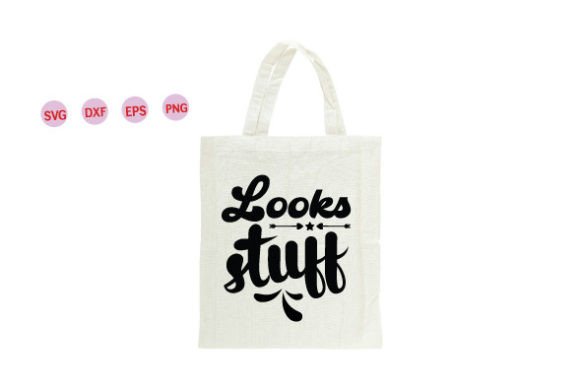
To truly test the viability of Looks Stuff SVG, I imagined a specific scenario: a custom order for a local coffee shop needing branded tote bags and aprons. The client wanted something recognizable but not overpowering. Using the PNG and JPEG previews included in the pack, I could quickly mock up the design on different fabric textures. The high-quality resolution ensured that even when zoomed in for a printable mockup, the edges remained crisp.
For custom apparel like sweatshirts or t-shirts, the scalability of the SVG format is essential. Whether you are placing a small chest logo or a large back print, the vector data ensures no pixelation. If I were digitizing this myself for a machine, the clear shapes would make defining stitch types—like switching between a tight satin stitch for borders and a lighter fill stitch for interiors—much more intuitive. For Etsy sellers creating digital embroidery files, having the DXF and EPS options means you can import these directly into major digitizing software without losing fidelity.
Consider a personalized gift angle, such as a nursery decor item. The gentle curves and open spaces in the design would work beautifully on a pillow cover or a blanket. Because the files are editable, you could easily add a name underneath using a complementary font, turning a standard graphic into a unique heirloom. This flexibility increases the perceived value of the finished product, making it more attractive to buyers looking for something special.
Navigating Fabric Challenges and Stitch Density
However, no design is universal, and practical judgment is required. When working with Looks Stuff SVG, one must consider the destination fabric. If you are applying this to a stretchy fabric like a jersey knit for a baby item, the stitch density becomes critical. While the graphic itself is sharp, translating it into threads requires careful management. Dense areas might cause puckering on thin fabrics, so testing on scrap material is non-negotiable.
Textured fabrics present another variable. A tweed blazer or a waffle-knit towel has a surface that can swallow fine details. If the design includes tiny lettering or intricate corners, these might get lost or look muddy on rougher textures. In such cases, simplifying the design slightly or opting for an applique design approach—using the SVG as a cut file for fabric layers—might yield a cleaner result than direct stitching.
Dark fabrics also demand attention. The contrast between thread colors and the background is vital for visual appeal. Since the package includes transparent PNGs, you can overlay the design on dark backgrounds digitally to check visibility before committing to thread. If the design relies on subtle shading, it might vanish on black fabric unless you adjust the color palette to high-contrast threads. Always confirm that your chosen thread colors pop against the material to maintain professionalism.
Commercial Viability and Brand Consistency
For craft business owners and creative entrepreneurs, consistency is key to building trust. Looks Stuff SVG offers a level of polish that supports brand consistency across different merchandise. Whether it's a cap, a patch, or a kitchen towel, the core identity of the graphic remains intact. This reliability helps in creating a cohesive product line, which is essential for customer recognition.
When selling on platforms like Etsy or at craft fairs, the presentation of your handmade product dictates its price point. A design that looks amateurish after stitching can devalue your work. Conversely, a graphic that stitches out cleanly with defined edges enhances the perceived quality. The editability of these files allows you to tailor the design to specific hoop sizes, ensuring that even on smaller items like baby socks or hat fronts, the integrity of the image is preserved.
Practical Notes for the Studio
Before diving into production with Looks Stuff SVG, here are a few professional recommendations to ensure success:
- Test First: Always stitch a sample on scrap fabric similar to your final material. Check for pull, puckering, and registration.
- Check Licensing: While the files are high quality and editable, always verify the specific license terms regarding commercial use before selling finished items or digital derivatives.
- Stabilizer Selection: Match your stabilizer to the fabric weight. Stretchy fabrics need cut-away stabilizer, while woven towels might do well with tear-away.
- Color Contrast: Review the design in black and white to ensure the shapes stand out without relying solely on color differences.
- Hoop Size Confirmation: Ensure the design fits your available hoop sizes, especially if you plan to offer it as a service for caps or small patches.
In conclusion, Looks Stuff SVG serves as a robust foundation for a variety of embroidery projects. Its strength lies in its clean geometry and editability, making it a reliable asset for both hobbyists and professionals. By understanding how these graphics interact with different fabrics and stitch techniques, you can transform a simple digital file into a high-value, tangible product that resonates with customers. Whether you are decorating a holiday gift or stocking your online shop, this collection offers the flexibility needed to create with confidence.