God Did Not Create You to Blend in SVG Review
As a designer who spends more time staring at stitch simulations than most people care to admit, I approach every new digital embroidery file with a mix of curiosity and skepticism. We have all downloaded a beautiful graphic only to realize it turns into a bird's nest of thread once the machine starts running. That is why I took a close look at the God Did Not Create You to Blend in SVG design before committing it to any client work or personal projects. This isn't just about having a pretty image on a screen; it is about how that image translates into a tangible, durable, and professional handmade product.
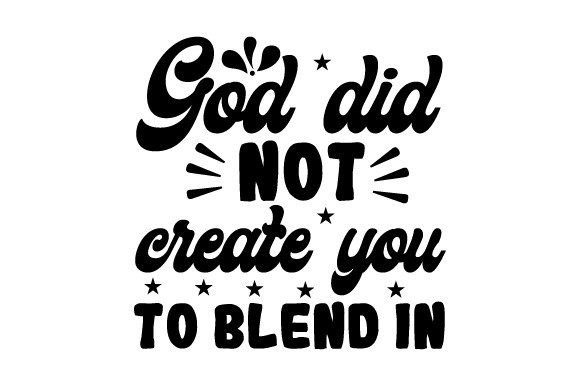
My first impression of this design asset was its bold typographic personality. The phrase itself carries a strong message of individuality and faith, which immediately suggests specific use cases. Visually, the layout feels balanced, avoiding the clutter that often plagues text-heavy designs. When evaluating a machine embroidery design, I am always looking for clear separation between letters and elements. In this case, the spacing appears generous enough to handle standard thread colors without bleeding together, a critical factor for readability. The mood is empowering and modern, making it a versatile candidate for everything from boutique apparel to home decor.
Real-World Application: The Custom Sweatshirt Test
To truly gauge the potential of this file, I imagined a real-life scenario that many of us face daily: a rush order for a custom sweatshirt embroidery project. Picture a local church group or a youth ministry wanting matching hoodies for an upcoming retreat. They need something that looks professional but speaks to their identity. This is where God Did Not Create You to Blend in SVG shines. Because the design is provided as an SVG file (along with EPS, PNG, JPEG, and DXF), it offers the flexibility needed to scale the artwork perfectly before digitizing or using it with a compatible cutter.
If you are using this as a cut file for heat transfer vinyl on a tote bag design or a custom apparel item, the clean lines of the SVG format ensure crisp edges. However, for those of us running embroidery machines, the visual weight of the text suggests it would pair beautifully with a bold satin stitch border or a textured fill stitch background. I could easily see this working on the back of a denim jacket or centered on a canvas apron. The design does not feel overly delicate; it has the presence required to stand out on thicker fabrics like fleece or heavy cotton twill.
Navigating Fabric Textures and Hoop Constraints
While the design is strong, practical application requires caution. Not every surface is created equal. If you plan to stitch this onto a stretchy fabric like a jersey knit t-shirt, you must be vigilant about your stabilizer choice. The density of the lettering, depending on how you digitize the SVG or the specific embroidery version you create from it, could cause puckering if the fabric isn't properly supported. I always recommend testing on scrap fabric first, especially when dealing with phrases that have varying letter heights.
Another consideration is the hoop size. While the design is scalable, shrinking it too much for a small pocket on a cap or a tiny embroidered patch might compromise the legibility of the smaller words. Fine details can get lost when reduced below a certain threshold, particularly if you are using a running stitch for outlines. For curved surfaces like hats, ensure the design is centered correctly to avoid distortion during the stitching process. If you are working with dark fabric, remember that contrast is key. A light thread color will pop, but ensure your underlay stitches are sufficient to prevent the fabric grain from showing through the text.
Commercial Viability for Etsy Sellers and Makers
For Etsy sellers and owners of small shop products, the commercial potential of this design is significant. The market for faith-based and inspirational personalized gifts remains robust year-round, not just during holiday embroidery seasons. This specific phrase resonates with customers looking for unique items that affirm their worth. Whether you are creating nursery decor, kitchen towels, or branded merchandise for a boutique, this asset adds value.
The fact that the files are described as 100% editable is a major plus for creative entrepreneurs. It means you can tweak the arrangement or combine it with other elements to create a unique printable mockup or a distinct finished product that stands out in a crowded marketplace. However, always double-check the specific licensing terms included in the ZIP file. Just because a file is editable does not automatically grant unlimited commercial rights for reselling the digital file itself versus the physical stitched item. Clarity here protects your craft business and builds customer trust.
Enhancing Visual Appeal and Brand Consistency
Using high-quality design assets like this directly impacts your brand perception. A sloppy, pixelated, or poorly stitched design tells a customer you cut corners. Conversely, a crisp, well-executed version of God Did Not Create You to Blend in SVG signals professionalism. It enhances the perceived value of the item, allowing you to price your handmade product accordingly. When a customer receives a baby embroidery item or a wedding gift with clear, sharp lettering, they are more likely to return for future purchases.
I also suggest reviewing how the design looks in black and white mockups before finalizing your thread chart. This helps you understand the silhouette and balance without the distraction of color. Does the design hold its own in monochrome? If yes, it will likely translate well regardless of the thread colors you choose. This step is crucial for maintaining brand consistency across different product lines, ensuring that your small shop product lineup feels cohesive.
Final Thoughts on Execution and Quality
In conclusion, the God Did Not Create You to Blend in SVG package offers a solid foundation for a variety of embroidery projects. The inclusion of multiple formats like EPS, D XF, and PNG ensures compatibility with most cutting machines and design software, bridging the gap between Crafts and digital Graphics. However, the success of the final item rests in your hands. It requires thoughtful digitization (if converting to stitch data), careful material selection, and attention to detail during the stitching phase.
Do not skip the step of checking stitch density if you are creating the embroidery file from the vector. Too dense, and the fabric becomes stiff; too sparse, and the backing shows. Treat this design as a premium component in your toolkit. Whether you are making a single personalized gift for a friend or rolling out a new line of commercial embroidery goods, this design has the versatility to perform well, provided you respect the technical limitations of your machine and materials. By approaching it with a designer's eye and a maker's precision, you can create products that truly do not blend in.